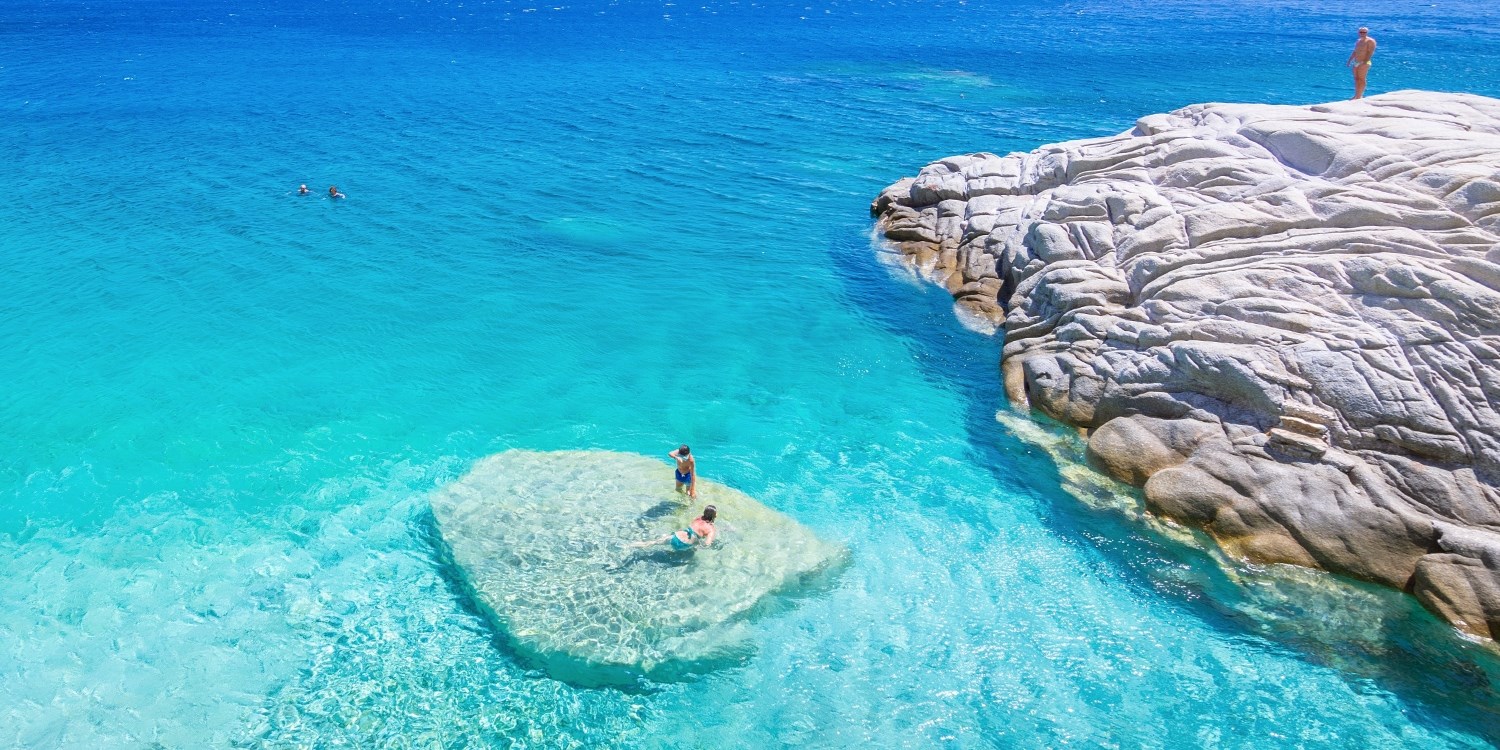
Discover Okinawa, Japan: Blue Zone of Longevity
Why is Okinawa, Japan a Blue Zone?
See Where to Stay in Okinawa, Japan
Okinawa, Japan, is one of the original Blue Zones, the regions of the world where people live exceptionally long and healthy lives. For decades the islands have been known for their large number of centenarians, and especially for the longevity of Okinawan women.
The secret is a mix of everyday habits. The traditional Okinawan diet is built around purple sweet potatoes, tofu, bitter melon (goya), seaweed and vegetables from the family garden. Before meals, many elders repeat the saying “hara hachi bu”, a reminder to stop eating when they feel about 80% full.
Community matters just as much as food. Okinawans grow up in a moai, a small circle of friends that supports each other for life, and they talk about ikigai, the reason to get up in the morning. Many older residents keep gardening, walking and meeting their friends well into their nineties.

See Where to Stay in Okinawa, Japan


Where is Okinawa Located?
Okinawa is Japan’s southernmost prefecture, a long chain of subtropical islands in the Pacific Ocean between the Japanese mainland and Taiwan. The largest one is Okinawa Island, where you will find the capital city, Naha, in the south and the quiet, forested Yanbaru region in the north.
The village most often linked to Okinawa’s Blue Zone fame is Ogimi, in Yanbaru. It is a small farming community known for its citrus groves and for the high number of residents who reach a very old age.
See Where to Stay in Okinawa, Japan
Climate in Okinawa
Okinawa has a subtropical climate, warm for most of the year. Summers are hot and humid, with temperatures around 28°C to 32°C (82°F to 90°F), perfect for beaches, snorkeling and diving. Winters are mild, usually between 15°C and 20°C (59°F to 68°F), so outdoor life never really stops.
The rainy season normally arrives around May and June, and typhoons are more likely from summer to early autumn. Spring and late autumn are comfortable times to visit if you prefer warm days without the strongest heat.
See Where to Stay in Okinawa, Japan

Population and Language
Okinawa Prefecture is home to more than 1.4 million people, most of them on Okinawa Island. Japanese is the main language. You may also hear Okinawan (Uchinaaguchi), one of the traditional Ryukyuan languages, especially among older residents.
English is understood in hotels, resorts and the main tourist areas, but it is less common in small northern villages, so a translation app is useful. Okinawans are known for their warm hospitality and their relaxed island pace of life.
See Where to Stay in Okinawa, Japan
How to Get to Okinawa
By air: Most travelers arrive at Naha Airport, close to the center of Naha. There are frequent daily flights from Tokyo and other Japanese cities such as Osaka, Nagoya and Fukuoka, plus direct international flights from several Asian cities.
Getting around: A monorail connects the airport with downtown Naha. To explore the rest of the island, and especially the north, renting a car is the easiest option. The drive from Naha Airport to Ogimi takes about two hours. Express buses also link the airport with the resort areas along the coast.
See Where to Stay in Okinawa, Japan
Cost of Living
Okinawa is generally more affordable than Tokyo and other large Japanese cities. Local restaurants, markets and public transport are reasonably priced, and eating like a local, with simple set meals, noodles and seasonal vegetables, keeps daily costs low.
Prices rise in the beach resorts during the summer and around Japanese holidays, so booking your stay in advance is a good idea.
See Where to Stay in Okinawa, Japan
Can You Emigrate to Okinawa?
Yes, it is possible to move to Okinawa, but the rules depend on your nationality and on the reason for your stay.
Short visits: Travelers from many countries can visit Japan as tourists without a visa for a limited period. Check the current rules for your passport before you book.
Long stays: Living in Okinawa requires a Japanese visa, for example a work, student or family visa. Okinawa attracts remote workers, English teachers and retirees who are looking for a slower pace of life close to the sea.
Where to Stay in Okinawa
Okinawa offers everything from city hotels to beach resorts and small guesthouses in the countryside.
See Where to Stay in Okinawa, Japan
Naha: The capital is the best base for a first visit, with markets, restaurants, Shuri Castle and the monorail to the airport.
Onna: On the central west coast, Onna is the classic resort area, with long beaches, clear water and many seaside hotels.
Nago and the north: If you want to be close to the Blue Zone villages of Yanbaru, stay around Nago or Motobu. You will be near Ogimi, quiet beaches and the Okinawa Churaumi Aquarium.
Okinawa’s reputation as a Blue Zone makes it one of the most fascinating places in the world to visit. With its turquoise sea, its unique Ryukyuan culture and a lifestyle built around good food, friends and purpose, Okinawa invites you to slow down and experience life to the fullest.